Community
Digital Transformation: Evolution or Revolution?
Follow how our product vision has evolved to help our customers achieve their business objectives with automation and orchestration.

Community
Follow how our product vision has evolved to help our customers achieve their business objectives with automation and orchestration.
Announcements
Instead of dramatic, rip-and-replace events, Camunda CEO Jakob Freund describes how gradual digital transformation can be a more practical and strategic path to automation.
Community
Learn how Camunda can be run as an embedded engine inside a Micronaut application, with the use of our open source integration project.
Community
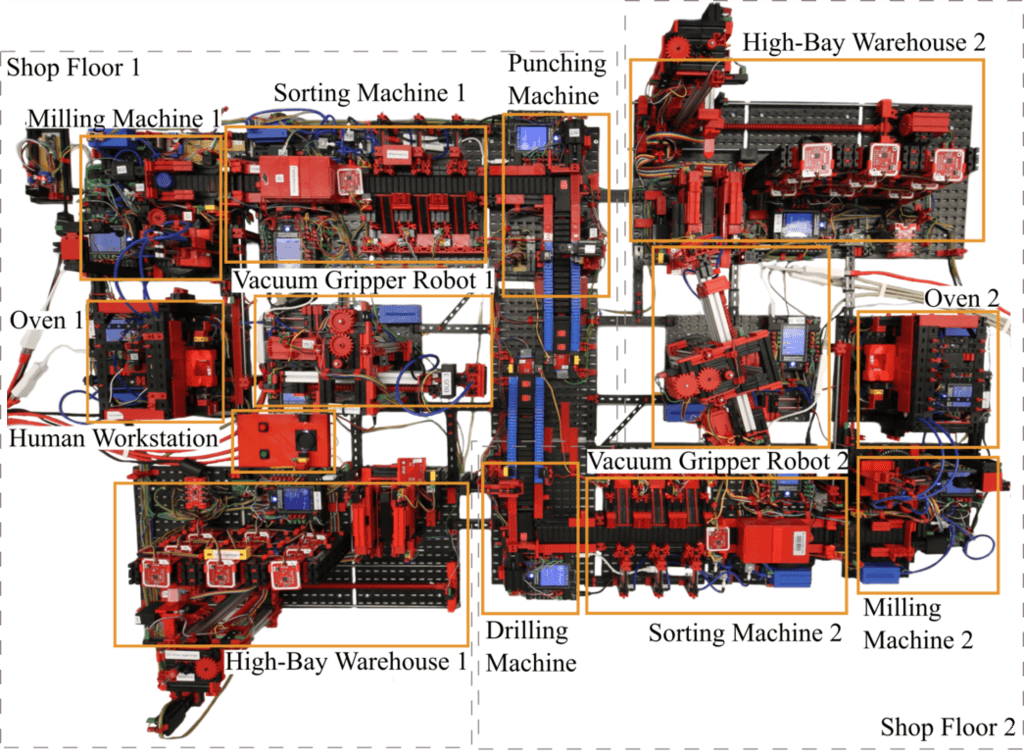
Learn how a novel software stack can reduce the gap between the production shop floor and enterprise-level management systems in Industry 4.0
Community
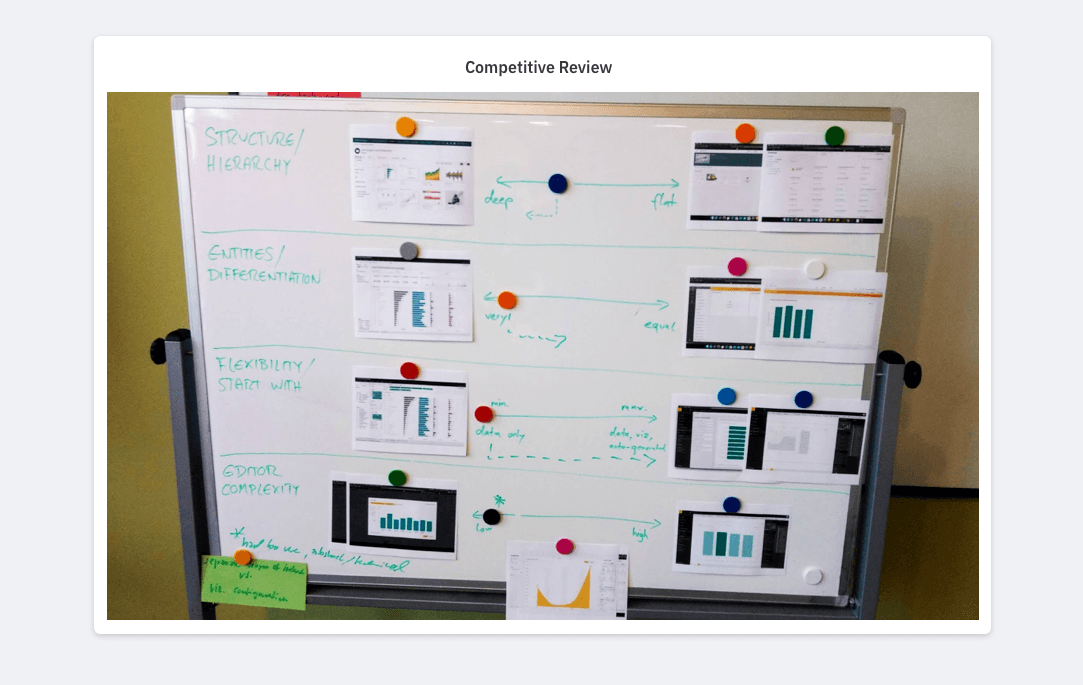
Camunda Optimize is maturing. New features and a better understanding of user needs required a refinement of the tool’s UI and provided Camunda’s design team with an opportunity to improve the user experience.
Engineering
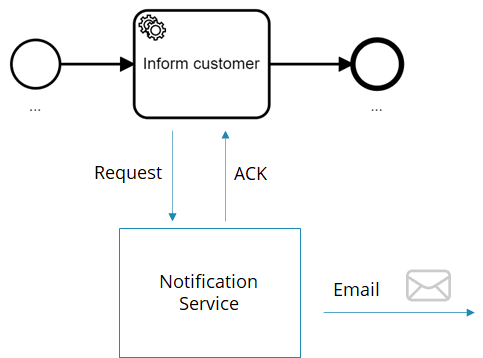
When automating processes you typically integrate systems and services, or in other words you orchestrate various APIs. In order to achieve this you not only have different technical possibilities, but also can choose between various modeling possibilities in BPMN. This post will give you an overview and advice on how to decide between alternatives.
Engineering
When working with Cloud Native applications on top of Kubernetes, you might need to make some tough decisions about where to run the services and infrastructure that your applications need, which will directly impact your maintenance costs.
Engineering
Camunda Platform Run, or Camunda Run for short, is a lightweight distribution of Camunda Platform that works straight out-of-the-box and comes pre-configured for production environments. Camunda Run is an excellent option if you’re just getting started with Camunda, or if you’re ready to use Camunda Platform in production. You can download the open-source Community Edition for free, and easily upgrade to the Enterprise Edition to access more features and support options. After you download and extract Camunda Run, you’ll find a configuration folder that contains a file called production.yml. The properties defined in this file are important for production environments and are derived from our guide to securing your Camunda Platform installation. To start Camunda Run with the production.yml configuration,…
Engineering
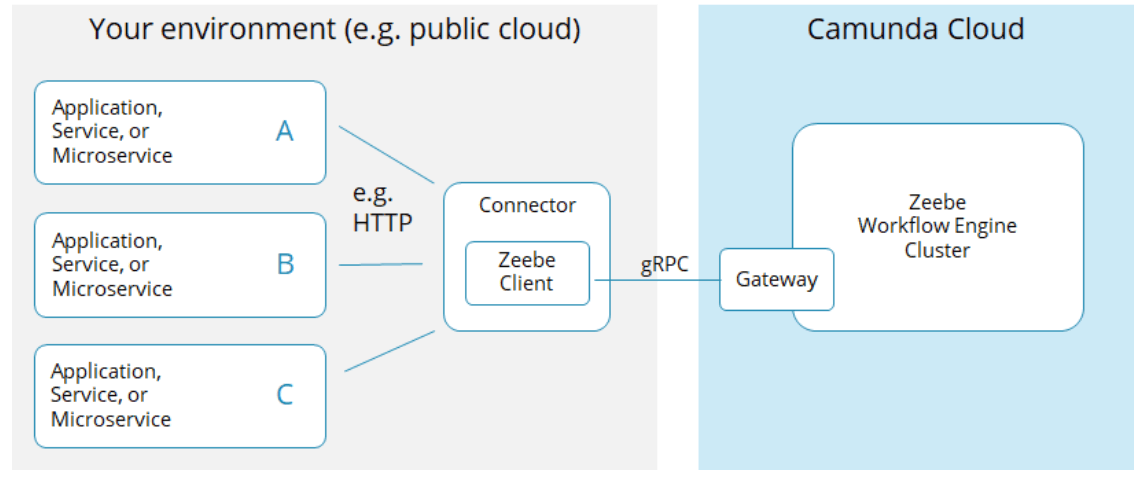
Have you started your first project using process automation as a service with Camunda Cloud? One of your first tasks would be to sketch the basic architecture of your solution, and this blog post will guide you through some important early questions such as how to connect the workflow engine with your application or with remote systems? Or what’s a job worker, what should it do, and how many do you need? This post is the first piece of a series of upcoming blog posts: Connecting the Workflow Engine with Your Application The workflow engine Zeebe is a remote system for your applications, just like a database. Your application connects with Zeebe via remote protocols, gRPC to be precise, which…