Camunda Blog
Nov 29, 2019
Camunda BPM 7.12.0 Released
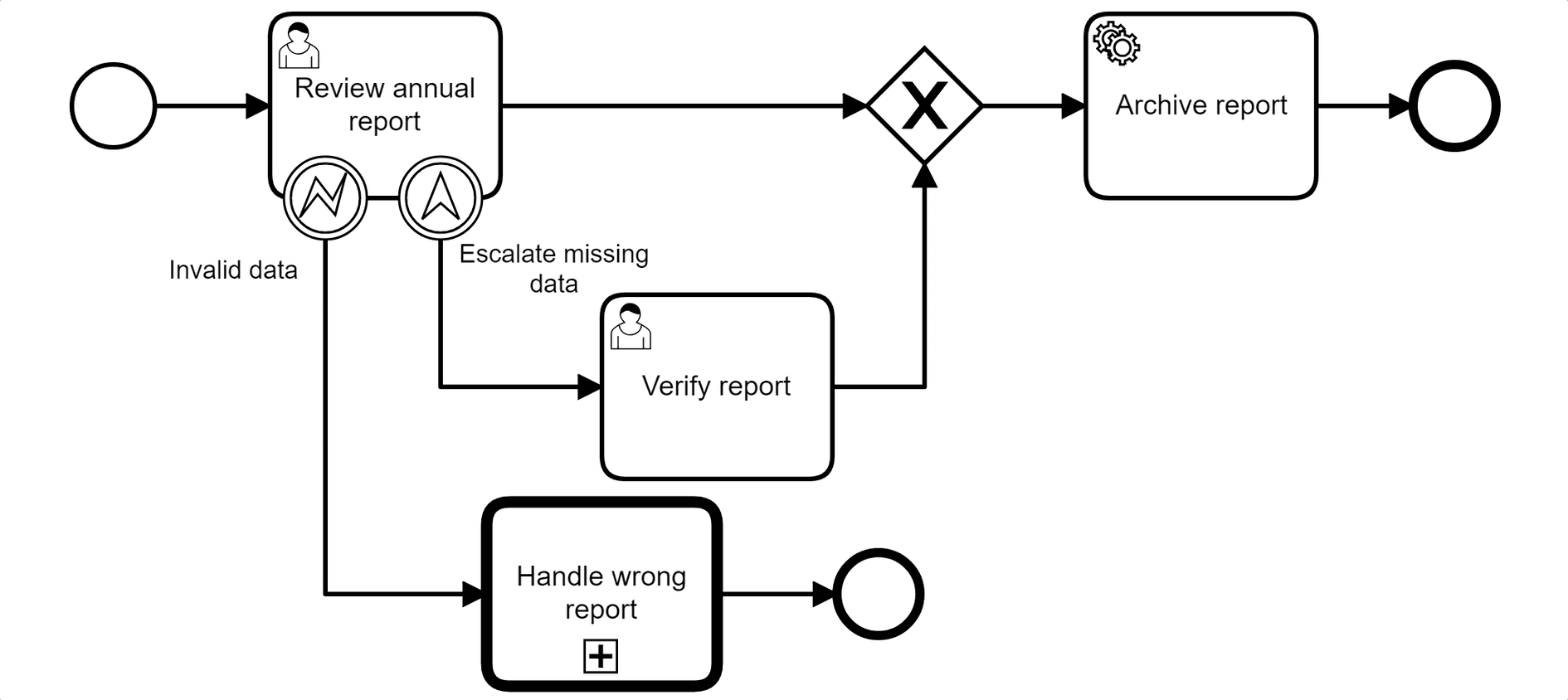
We are excited to announce that Camunda BPM Platform 7.12.0 is now available. The release includes many new capabilities. Here are some of the highlights: Enhanced BPMN Execution Trigger BPMN Errors and Escalations from User Tasks Time-triggered Listeners for User Tasks Update Listeners for User Tasks Improved Operations Annotate Operation Logs with Comments Contextual Logging for Processes Stronger Security Protection Against Malicious Variable Values Additional Supported Environments You can download Camunda 7.12.0 for free or run it with Docker. Also included in the release: Spring Boot Starter 3.4.0, which relies on Spring Boot 2.2.1 by default Assert 5.0.0 for convenient testing of processes in Java Node.js External Task Client 1.3.0 for JavaScript developers Java External Task Client 1.3.0, which can…
Nov 29, 2019
Camunda Optimize 2.7.0-alpha2 Released
We are happy to announce the release of Camunda Optimize version 2.7.0-alpha2. In this second alpha release, you can get an early look at many improvements and features in advance of the stable Optimize version 2.7.0, including: Data Sources for Collections “What’s New” Message The complete release notes are available in Jira.
Nov 28, 2019
Camunda Modeler 3.5 Released
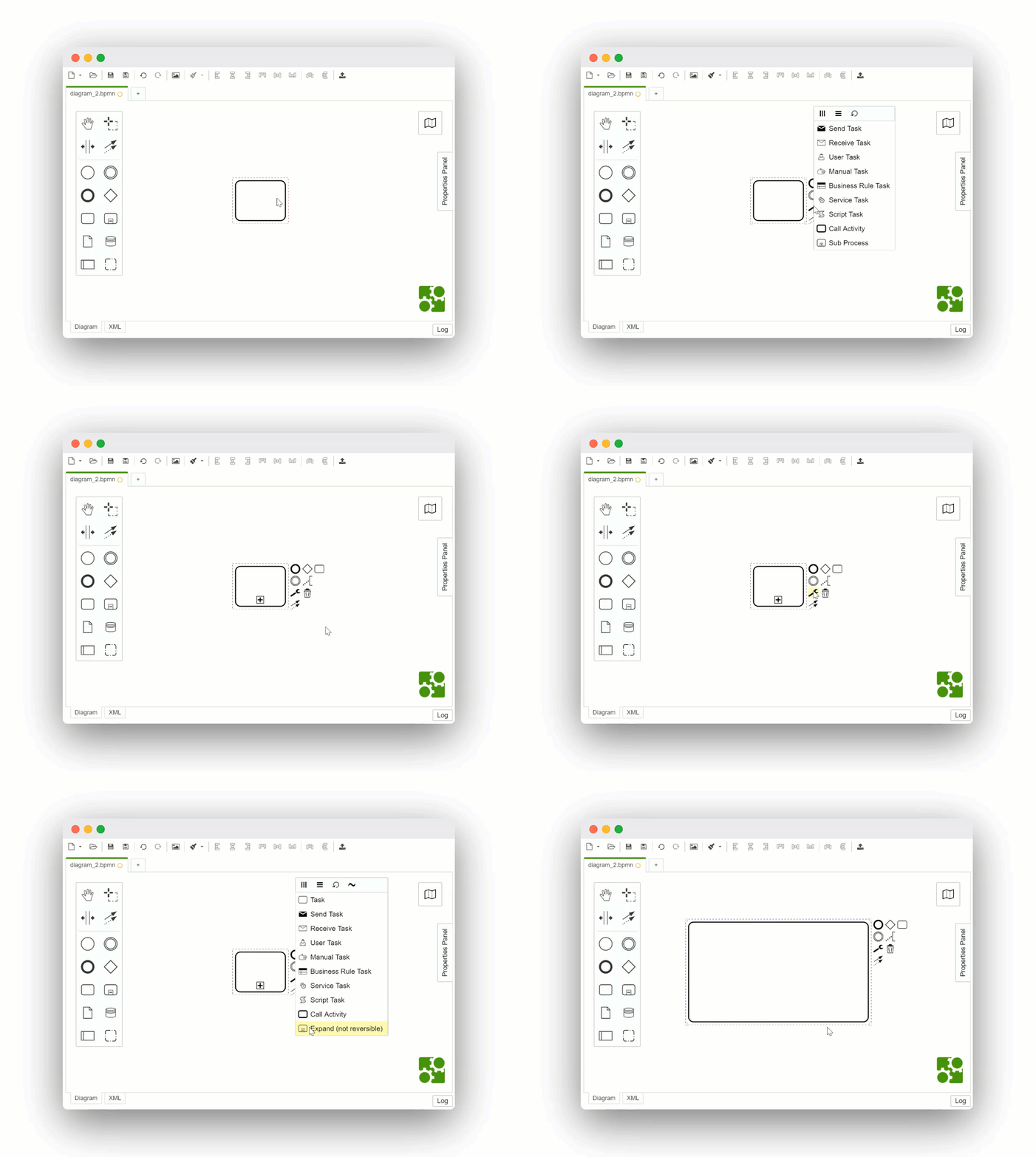
We are happy to announce the release of Camunda Modeler v3.5.0. This release comes with an improved deployment feature and many more improvements to the BPMN and DMN modeling experience. Download the latest release and start modeling.
Nov 19, 2019
How to (not) become a Digital Enterprise – Put Executives in Charge who care about long-term Success, their People and the World
This blog post is the fifth and final of a five-part series based on the keynote I presented at CamundaCon 2019 (You can find the recording on YouTube). You can read the first blog in this series here.
By Jakob Freund
Nov 14, 2019
Cawemo Release: Modeler and Engine Integrations, Visual Diagram Comparisons, and More
This week’s Cawemo release for both the SaaS and on-premises editions introduced new capabilities for all types of users. If you’ve already seen the presentation from CamundaCon 2019 “It’s All About People: Collaboration with Cawemo”, then you’re probably familiar with these updates–and if you’d like to see the features demoed in a real-world scenario, then the presentation recording is a great resource for you. In the rest of this post, we’ll discuss how Cawemo’s new features enable more seamless collaboration between engineers, business analysts, and everyone in between.
By Mike Winters
Nov 13, 2019
Spring Zeebe 0.7.0 Released
I am happy to announce that Spring Zeebe 0.7.0 has been released using Zeebe Core 0.21.1 and Spring Boot 2.2.0.RELEASE. If you find any issues with these projects please report them here. Moving forward we want to quickly align Spring Zeebe projects with Zeebe releases in a more coordinated way and we want to refine these projects dependencies to make sure that they are aligned with the Spring Boot release train. I will be leading this process with the original author of these modules Jan Galinski from Holisticon to make sure that we keep these projects community driven with a transparent governance. If you have questions, proposals or extensions related to Spring Zeebe please get in touch. I will be…
Nov 12, 2019
How to (not) become a Digital Enterprise – Automate your Business, One Project at a Time
This blog post is the fourth of a five-part series based on the keynote I presented at CamundaCon 2019 (You can find the recording on YouTube). You can read the first blog in this series here.
By Jakob Freund
Nov 11, 2019
Mary Thengvall joins Camunda
I am very happy to announce that Mary Thengvall is joining Camunda as our new Director of Developer Relations.
By Daniel Meyer
Nov 11, 2019
Zeebe and Operate Alpha Releases: November 2019 Edition
We’re excited to announce the release of Zeebe 0.22.0-alpha1 and Operate 1.2.0-alpha1. You can find information about how to get started with Zeebe and Operate in the docs. In the rest of this post, we’ll cover highlights from the releases along with other project updates.