Camunda Blog


Aug 4, 2021
A Compelling ROI Case for Camunda
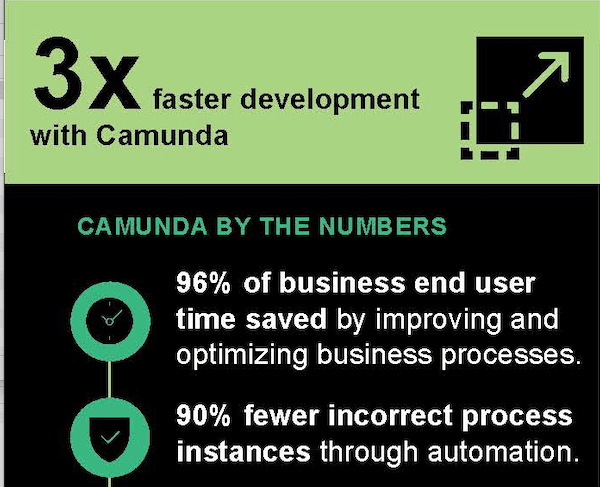
When Forrester Consulting spoke to six longtime Camunda Platform users, they learned how they’re delivering process automation projects faster, driving organizational efficiency and better customer service with massive, multi-million dollar impact to the business. Download the Total Economic Impact study commissioned by Camunda.

The DMN-Powered Sorting Hat
Recently, I was painfully reminded of the Dark Lord’s failure when I discovered Harry Potter (the person, not the books) turns 40 tomorrow. To help get my mind off of it, I built a Sorting Hat.
By Niall Deehan

Jul 29, 2021
Automate Any Process on Micronaut
Learn how Camunda can be run as an embedded engine inside a Micronaut application, with the use of our open source integration project.

Jul 27, 2021
CamundaCon 2021: Get with the Program
The countdown has officially begun for CamundaCon 2021. Our agenda is now live, and registration is open for you to reserve your spot and join us September 22–23.
Jul 26, 2021
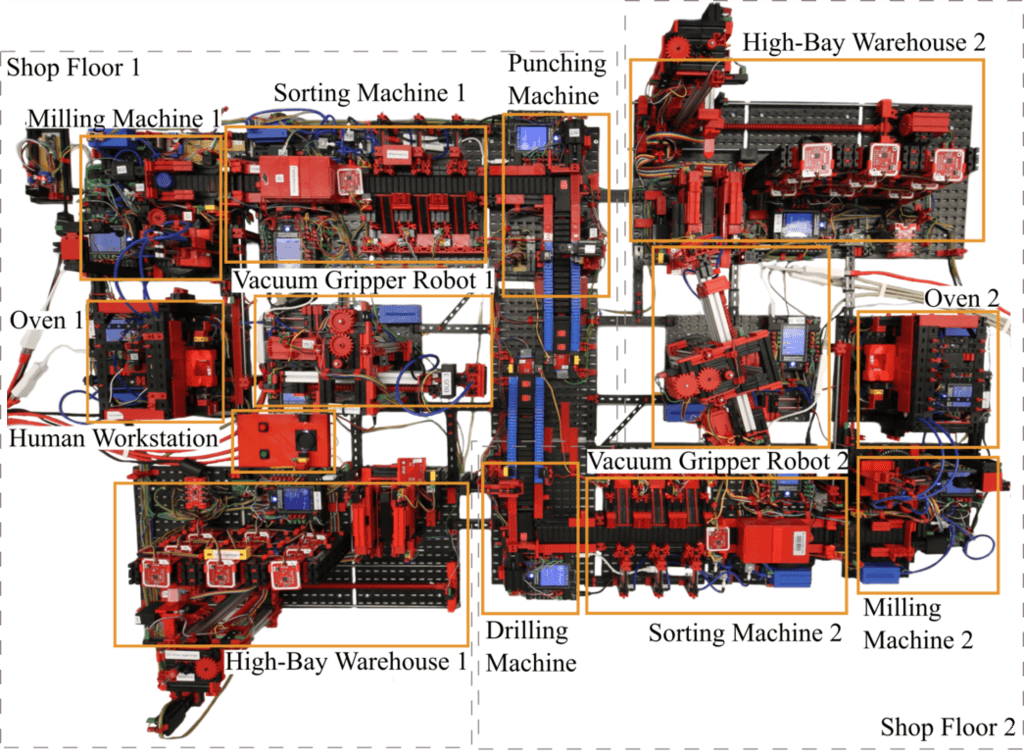
Controlling Processes in a Smart Factory with the Camunda Platform
Learn how a novel software stack can reduce the gap between the production shop floor and enterprise-level management systems in Industry 4.0
By Lukas Malburg, Ronny Seiger
Jul 16, 2021
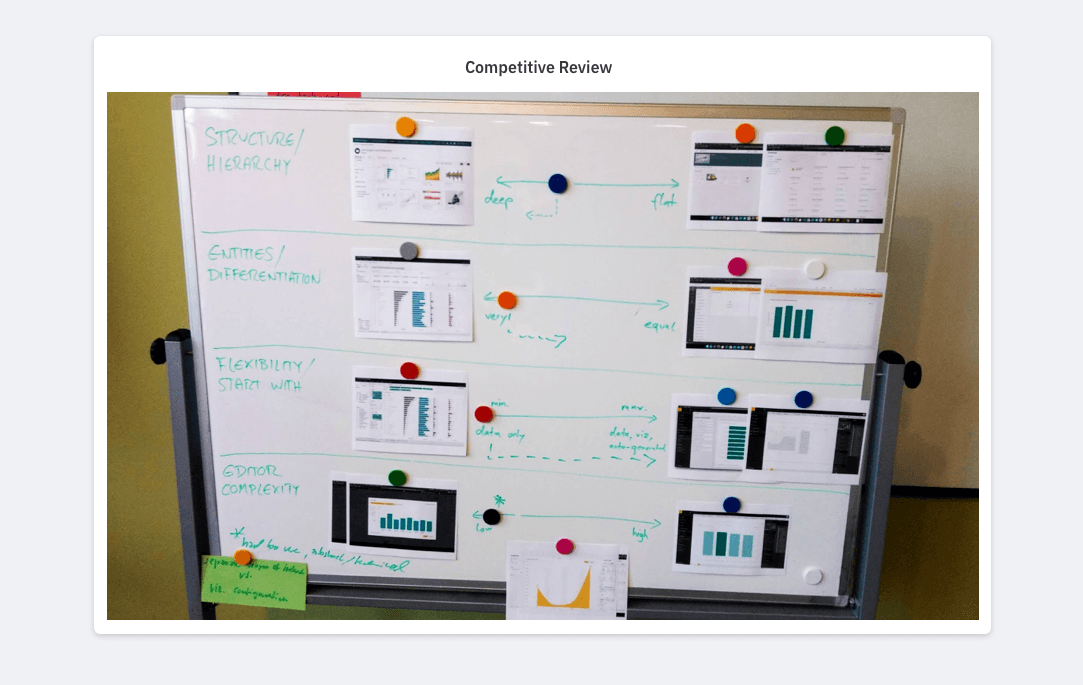
Design for the future: Improving the Camunda Optimize Report builder experience
Camunda Optimize is maturing. New features and a better understanding of user needs required a refinement of the tool’s UI and provided Camunda’s design team with an opportunity to improve the user experience.
By Asia Malina
Jul 13, 2021
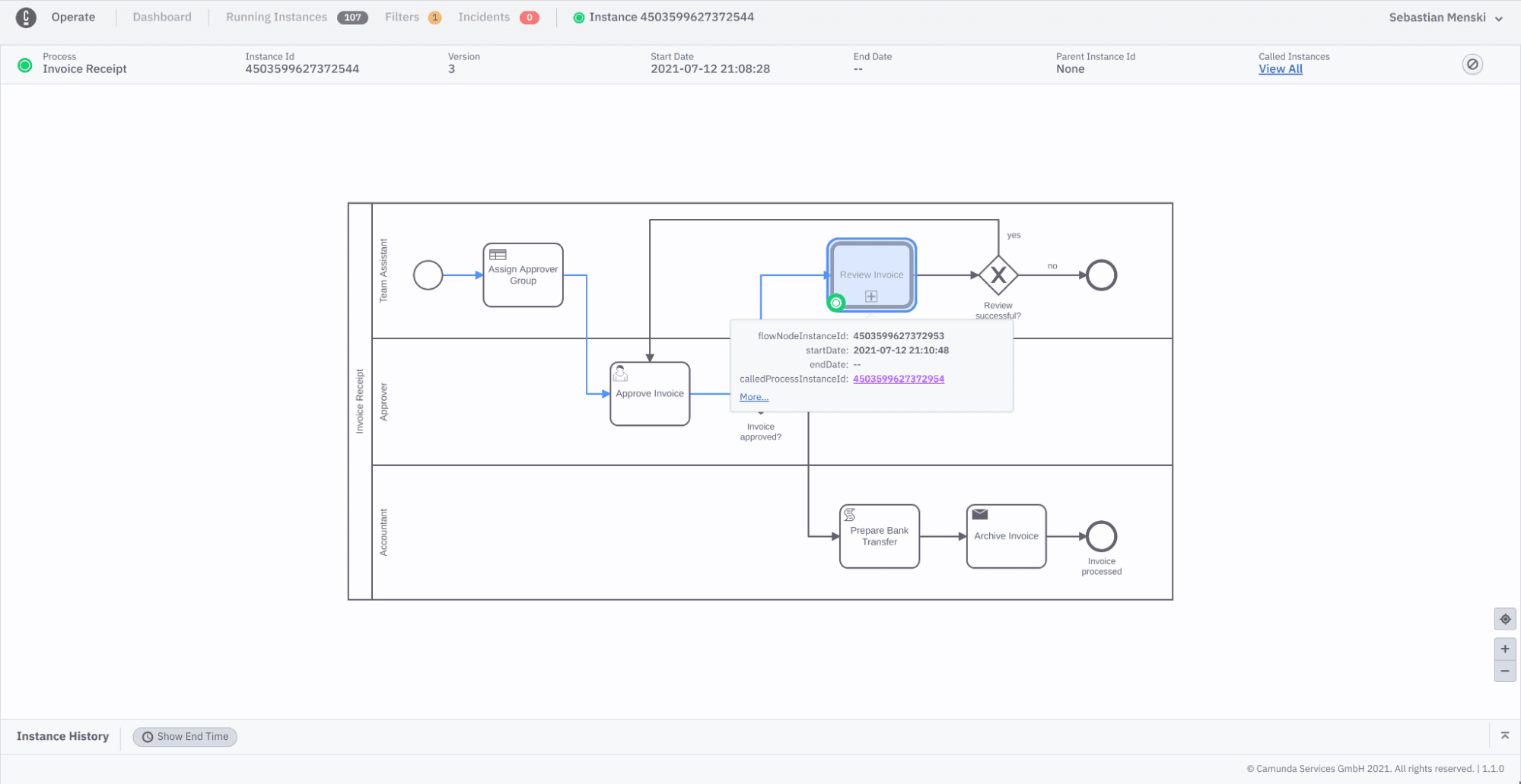
Camunda Cloud 1.1.0 Released
Camunda Cloud 1.1.0, the next version of our innovative process automation SaaS offering, is here.

Camunda Platform Runtime 7.16.0-alpha3 Released
Camunda Platform Runtime 7.16.0-alpha3 is here, featuring support for Java 15 & GraalVM JavaScript, and a new create deployment REST API.

Camunda Modeler 4.9 Released
The Camunda Modeler 4.9 release ships with support for Camunda Cloud 1.1, improvements to the core editor UI, BPMN and DMN editor enhancements, and bug fixes.