Camunda 8.3: Scaling Automation to Maximize Value
Camunda’s latest release adds many features that improve the user experience and help you scale automation success. Check out what’s new!
By Shane Ernest
Author
Camunda’s latest release adds many features that improve the user experience and help you scale automation success. Check out what’s new!
By Shane Ernest
Jul 12, 2023
Banks must strategically optimize processes beyond T+1 to achieve a high degree of straight-through processing. Process orchestration can help.
By Shane Ernest
Jun 14, 2023
Learn how you can take advantage of generative AI to build forms faster and incorporate them into your processes.
By Shane Ernest
May 31, 2023
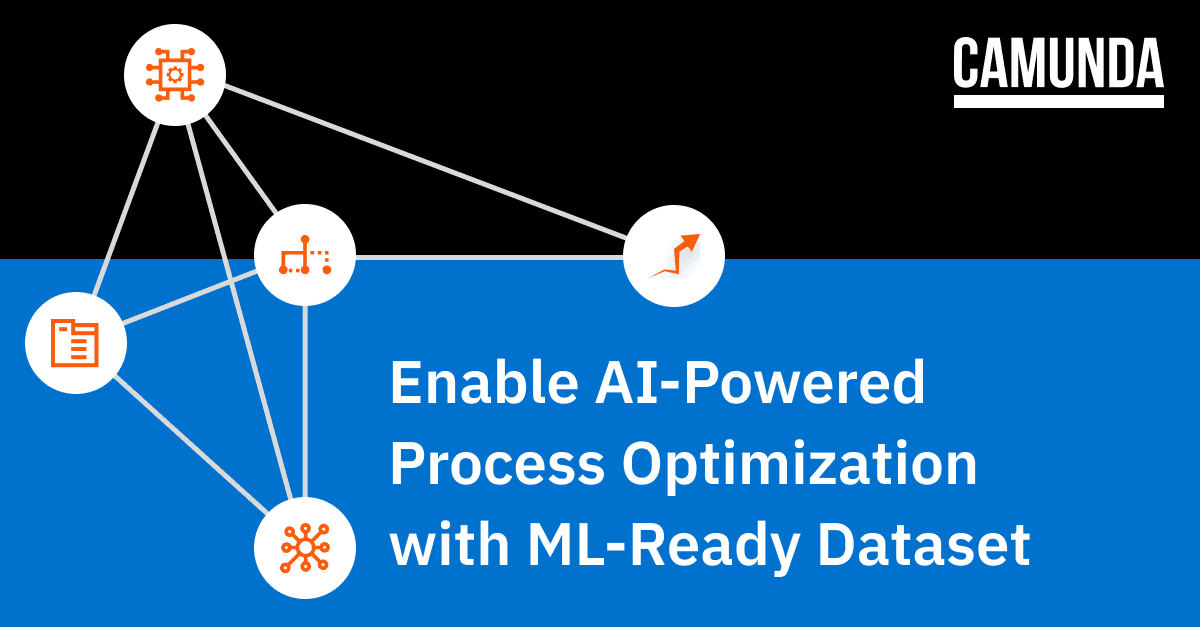
We’ve enhanced Camunda Optimize to produce more structured data so that it is ready for machine learning, making it easier than ever to take advantage of AI to improve your processes. Learn how.
By Shane Ernest
Apr 11, 2023
Camunda Platform 8.2 brings a suite of features that improve the process development lifecycle and helps you further scale automation. Read the latest.
By Shane Ernest
Feb 24, 2023
Check out the highlights from our recent webinar, where we break down the 2023 State of Process Orchestration report.
By Shane Ernest
Jan 13, 2023
Learn about the latest ways to build, preview and test forms to enable effective human workflow orchestration with Camunda Platform 8.
By Shane Ernest
Oct 11, 2022
Eliminate islands of automation by orchestrating processes from end to end.
By Shane Ernest
FEEL (Friendly Enough Expression Language) was created by the Object Management Group (OMG) “as part of the DMN standard”. Its goal is to be easy to understand, and at the same time, be full-featured enough to handle decision tables and literal expressions. When business and IT often work together on complex projects, writing expressions in a (relatively) accessible way reduces miscommunications and helps align teams. Camunda uses FEEL to map and transform business process data dynamically. For example, a loan application process pulls a credit score from an API call into a decision table. The decision table automates the next step of the process depending on the rules in the table. The data from the decision automation can then be…
By Shane Ernest