The first alpha release of Camunda Platform Runtime 7.19 features improved engine loading times, support for basic authentication in OpenAPI specification and multiple bug fixes.
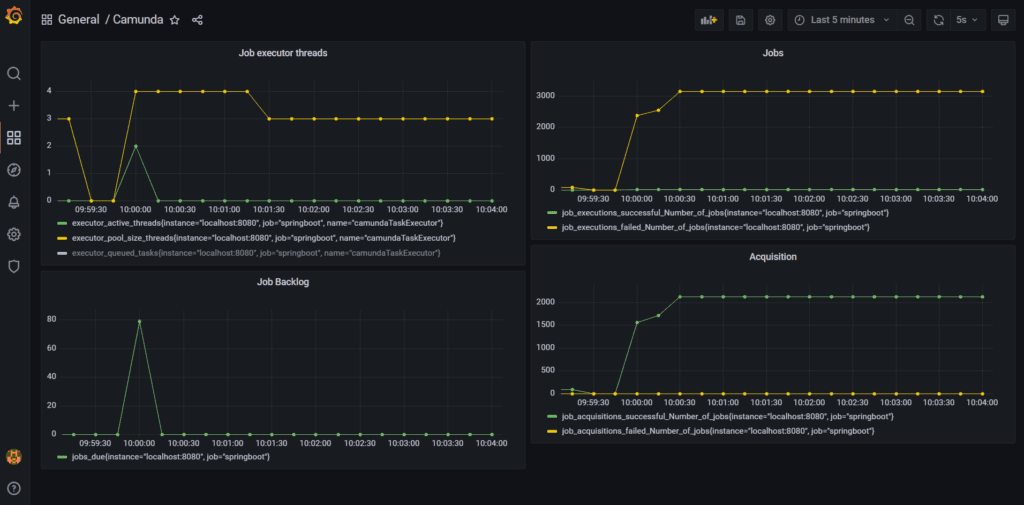
Monitoring is an essential facet of running applications in a production system. Through this process, organizations collect and analyze data, and determine if a program is performing as expected within set boundaries. When combined with alerting, monitoring allows for detecting unexpected system behavior to mitigate exceptional situations as fast as possible. Furthermore, tracking the performance of a system enables organizations to improve those aspects that have the biggest impact with higher priority. One essential aspect of monitoring is the list of key metrics you want to observe. There are different categories of statistics that can be of interest here. To observe the defined metrics, there are plenty of application monitoring tools on the market today. They differ in many aspects…
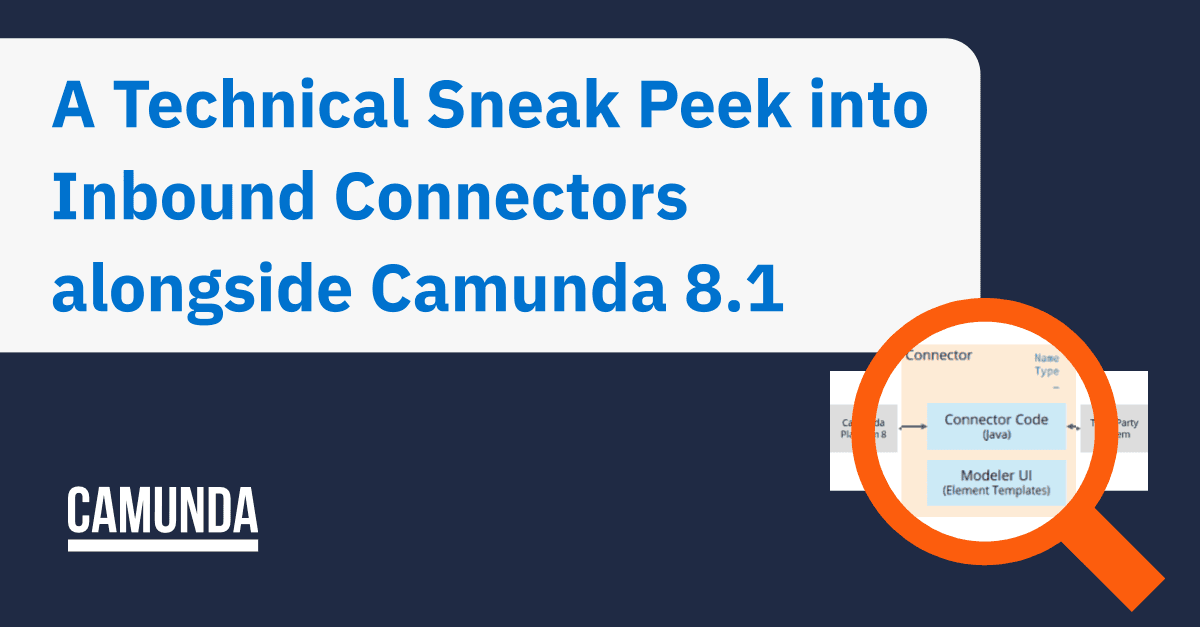
Learn from Bernd Ruecker, Camunda Co-founder/Chief Technologist, and Daniel Meyer, Camunda CTO, as they tackle questions on connectors, modeling & more.
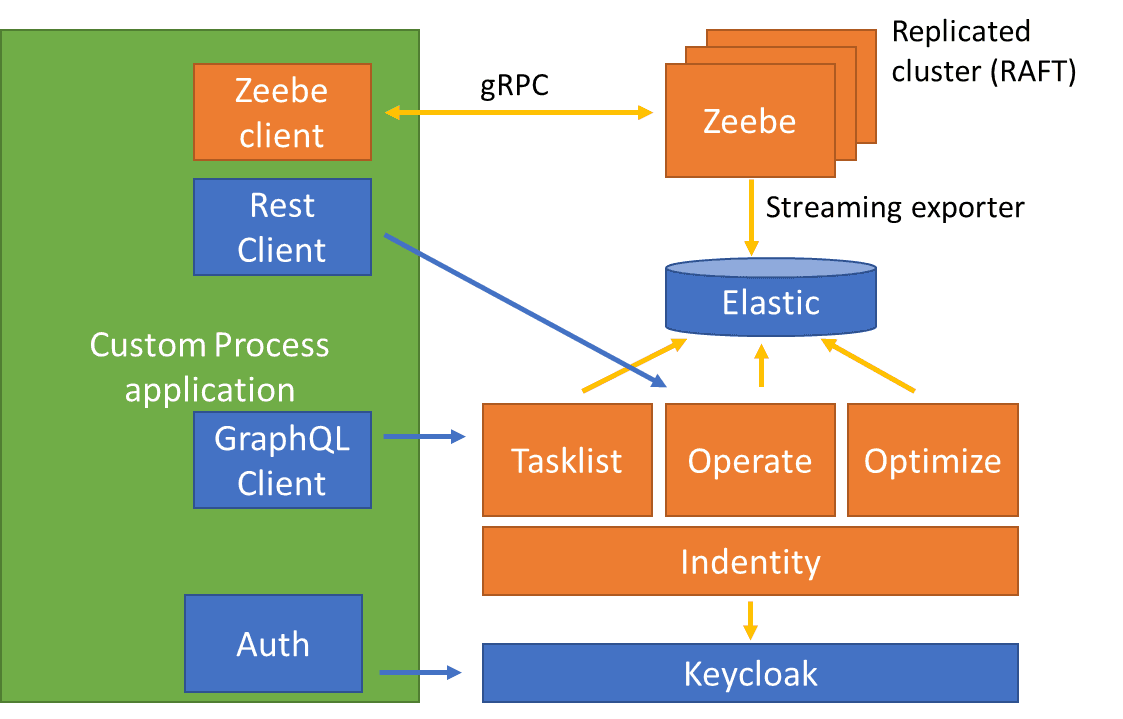
Directory services are an effective way to manage an organization’s users, groups, printers, devices, and more. Most organizations accomplish this using Active Directory, Apache Directory, Oracle Internet Directory, or other similar tools. Recently I worked with a customer who wanted to see how he could secure the Camunda 8 Platform and process applications with such a directory. Their requirements consisted of: In this article, I’ll briefly explain the 3 easy steps taken to fulfill their requirements which include: If you’re interested in seeing a fuller picture, you can find a project with a complete documentation on github. Before we start, I’d like to reintroduce some general concepts about Camunda 8 and Keycloak. Camunda 8 and Keycloak overview Camunda 8 is…