Nov 21, 2022
Camunda Platform 8 for .NET Developers
In this tutorial, learn how you can take advantage of Camunda for powerful process orchestration as a .NET developer.
Category
All Camunda blog posts tagged with Getting Started.
Nov 21, 2022
In this tutorial, learn how you can take advantage of Camunda for powerful process orchestration as a .NET developer.
Nov 14, 2022
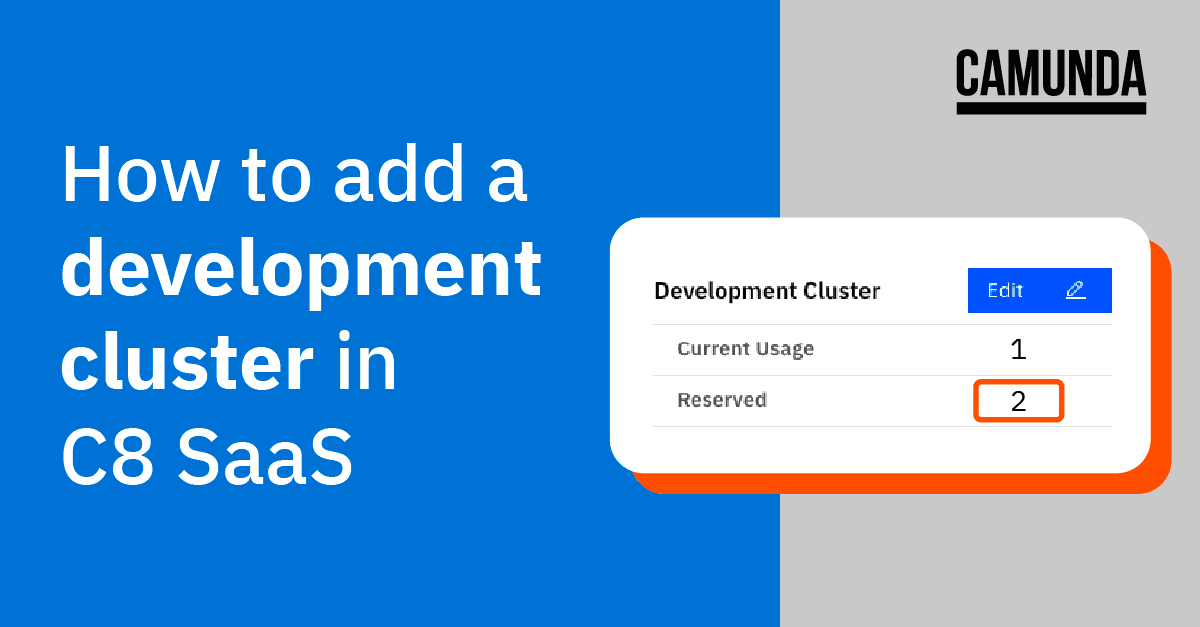
You can now take advantage of development clusters on our professional plan to test your models quickly outside of production.
By Danny Shain
Nov 4, 2022
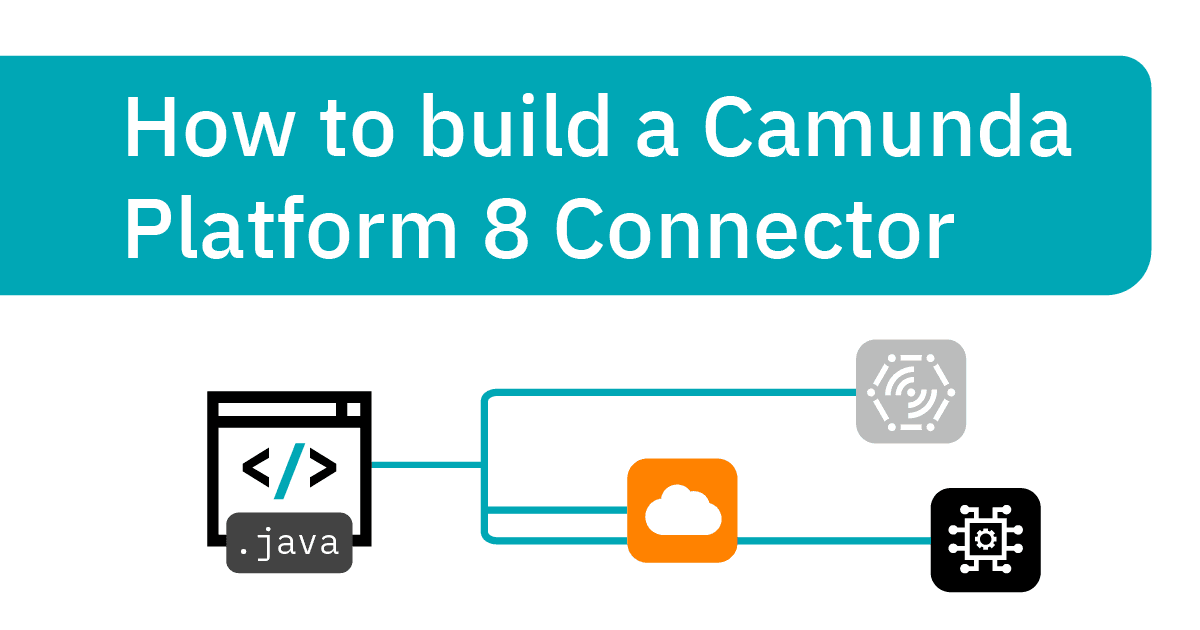
Learn how to build a Camunda Platform 8 Connector. Quickly start building your own custom Connectors using Camunda today.
By Josh Wulf
Nov 1, 2022
Camunda Academy provides free, on-demand access to BPMN, DMN and Camunda 8 training for all. See how you can start learning today.
Oct 12, 2022
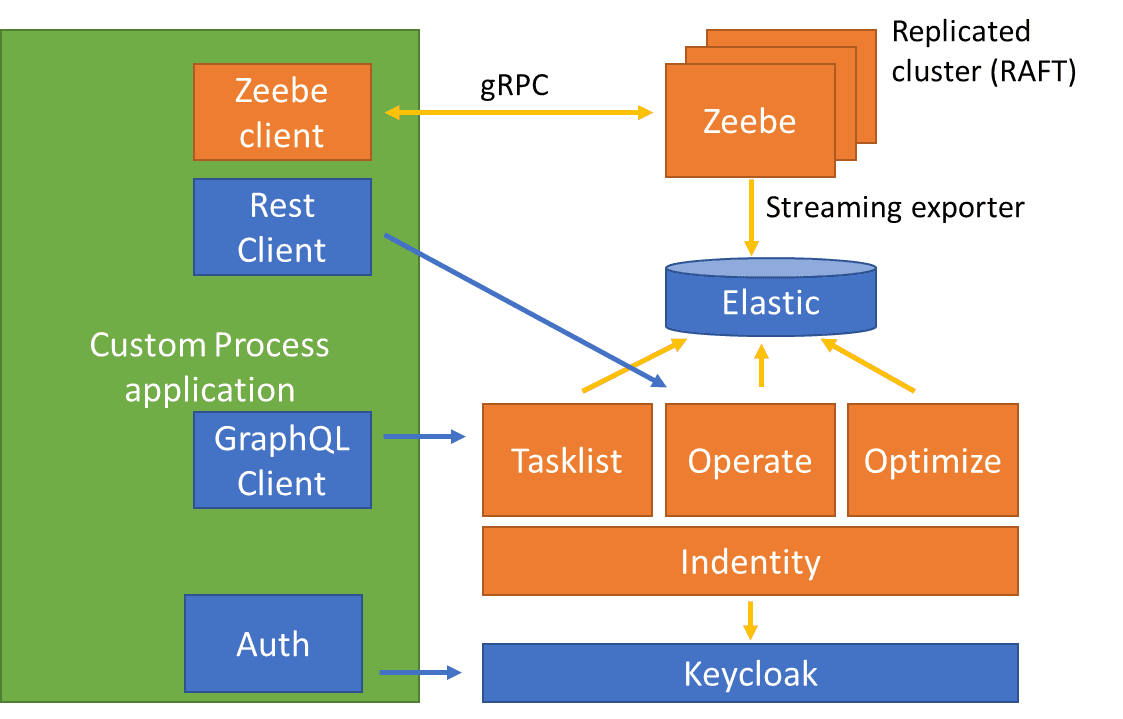
Directory services are an effective way to manage an organization’s users, groups, printers, devices, and more. Most organizations accomplish this using Active Directory, Apache Directory, Oracle Internet Directory, or other similar tools. Recently I worked with a customer who wanted to see how he could secure the Camunda 8 Platform and process applications with such a directory. Their requirements consisted of: In this article, I’ll briefly explain the 3 easy steps taken to fulfill their requirements which include: If you’re interested in seeing a fuller picture, you can find a project with a complete documentation on github. Before we start, I’d like to reintroduce some general concepts about Camunda 8 and Keycloak. Camunda 8 and Keycloak overview Camunda 8 is…
Sep 30, 2022
What is FEEL As a part of the Decision Model and Notation (DMN) specification, the OMG also defined the Friendly Enough Expression Language (FEEL). Since DMN is intended to be used by designers and business analysts who would like to build decision tables, FEEL needed to be designed as an uncomplicated and human-readable expression language that would help readers understand the logic being described or executed by the DMN table. Expression languages are typically used by developers to evaluate data to produce a result based on query parameters or conditions. This means it’s syntactically closer to code than human-readable sentences. Since one of the goals of FEEL is to be “process analyst friendly,” it prioritizes readability more than other expression…
By Niall Deehan
Jun 8, 2022
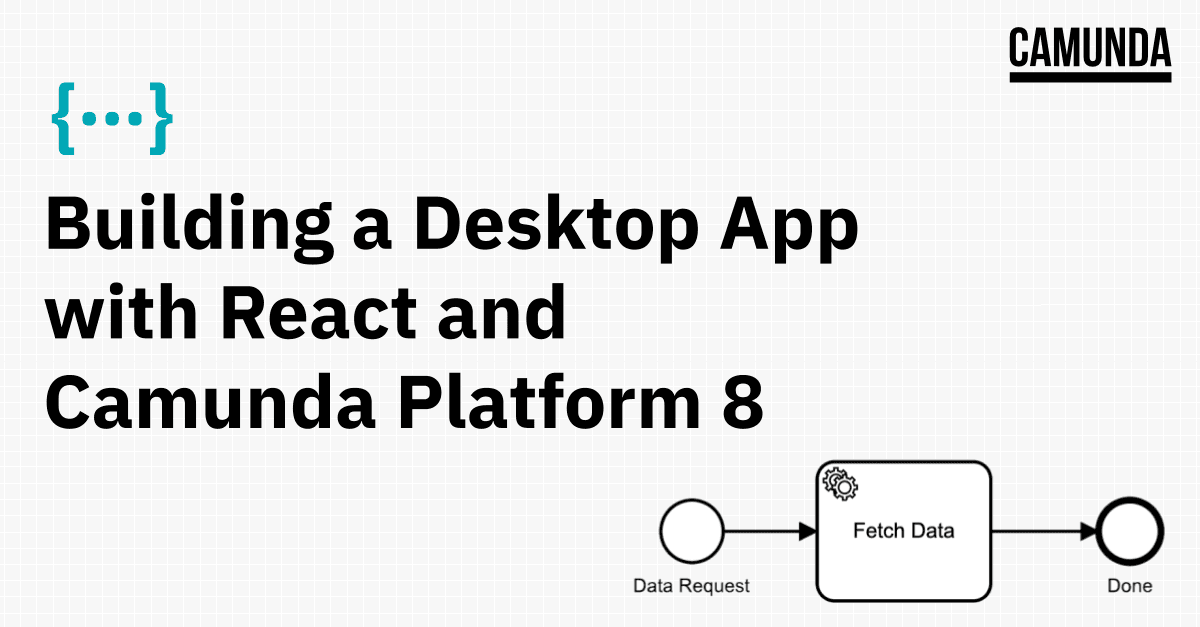
Follow along as Principal Developer Advocate David Simmons uses Camunda Platform 8 and React to build an app that requests, fetches, and saves data.
May 17, 2022
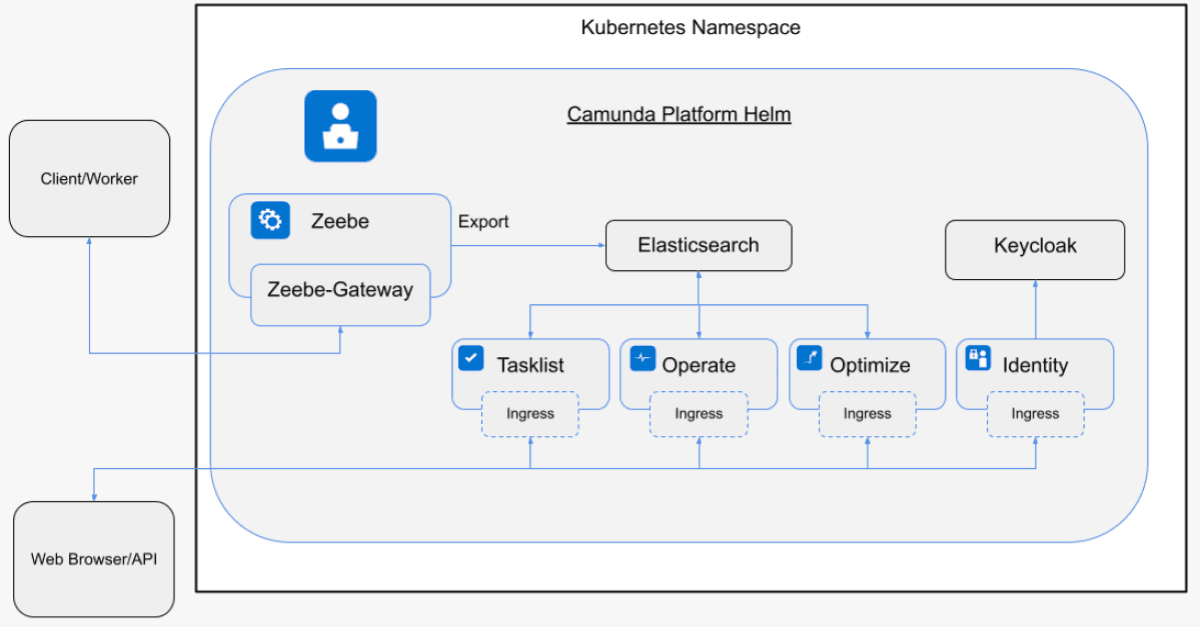
Everything you need to know to install, configure, and run Camunda Platform 8 Helm charts.
May 16, 2022
Find out which way to post JSON data to an external service is best. From within the BPMN or by an external task implementation?