Camunda Desktop Modeler 5.6 released
We are happy to announce the release of Camunda Desktop Modeler 5.6, which ships with broader BPMN support and some key UI improvements.
Category
All Camunda blog posts tagged with Releases.
We are happy to announce the release of Camunda Desktop Modeler 5.6, which ships with broader BPMN support and some key UI improvements.
See what’s new in Camunda Optimize. Camunda Optimize provides business activity monitoring for workflows, supporting continuous process improvement.
We are pleased to announce the next alpha release of Camunda Automation Platform 7, including new REST docs, support for PostgreSQL 15 and more.
In the latest release of Camunda Optimize, we now have smart bar charts, the ability to delete backups via API and more.
By Tobias Conz
The first alpha release of Camunda Platform Runtime 7.19 features improved engine loading times, support for basic authentication in OpenAPI specification and multiple bug fixes.
By Daniel Kelemen, Camunda Platform Team
Oct 11, 2022
Updates to Web Modeler, Connectors, Zeebe, Operate, Optimize, & more.
Oct 11, 2022
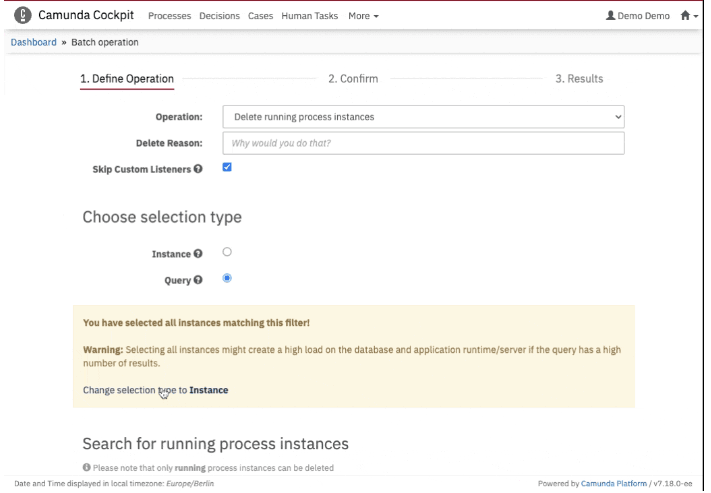
We’re extremely excited to announce the release of Camunda Platform 7.18 Here are some of the highlights: Cockpit: Improved instance selection to avoid unintended batch operations Cockpit: Easier navigation of high batch operation volumes MDC logging features Camunda Forms in Tasklist: Populate select options via process data Exception error codes Filter and order tasks by last updated WebSphere Liberty New and retired supported environments You can download Camunda Platform or run it with Docker. For a complete list of the changes, please check out the release notes. For patched security vulnerabilities, see our security notices. If you want to dig deeper, check out the source code on GitHub. Cockpit: Improved instance selection to avoid unintended batch operations Previously, when performing…
Oct 11, 2022
Eliminate islands of automation by orchestrating processes from end to end.
By Shane Ernest
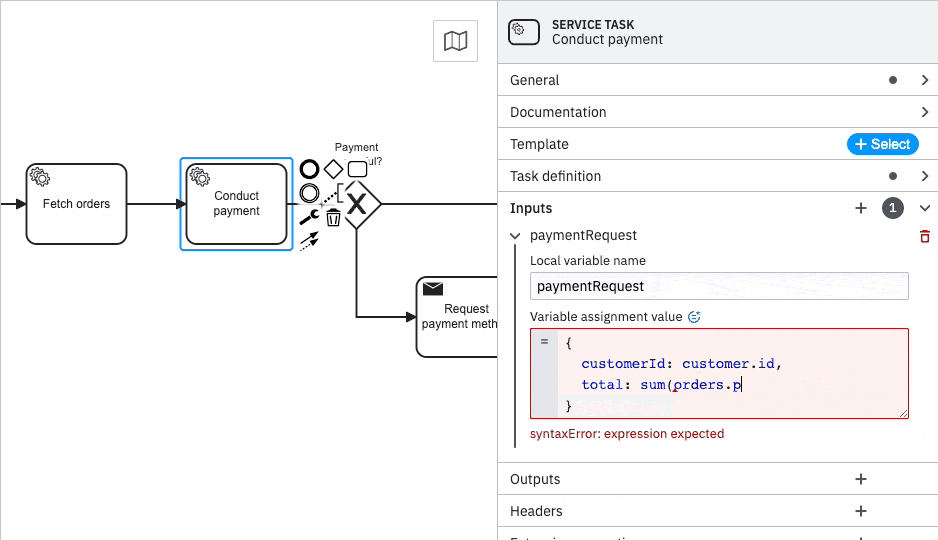
FEEL (Friendly Enough Expression Language) was created by the Object Management Group (OMG) “as part of the DMN standard”. Its goal is to be easy to understand, and at the same time, be full-featured enough to handle decision tables and literal expressions. When business and IT often work together on complex projects, writing expressions in a (relatively) accessible way reduces miscommunications and helps align teams. Camunda uses FEEL to map and transform business process data dynamically. For example, a loan application process pulls a credit score from an API call into a decision table. The decision table automates the next step of the process depending on the rules in the table. The data from the decision automation can then be…
By Shane Ernest