May 8, 2023
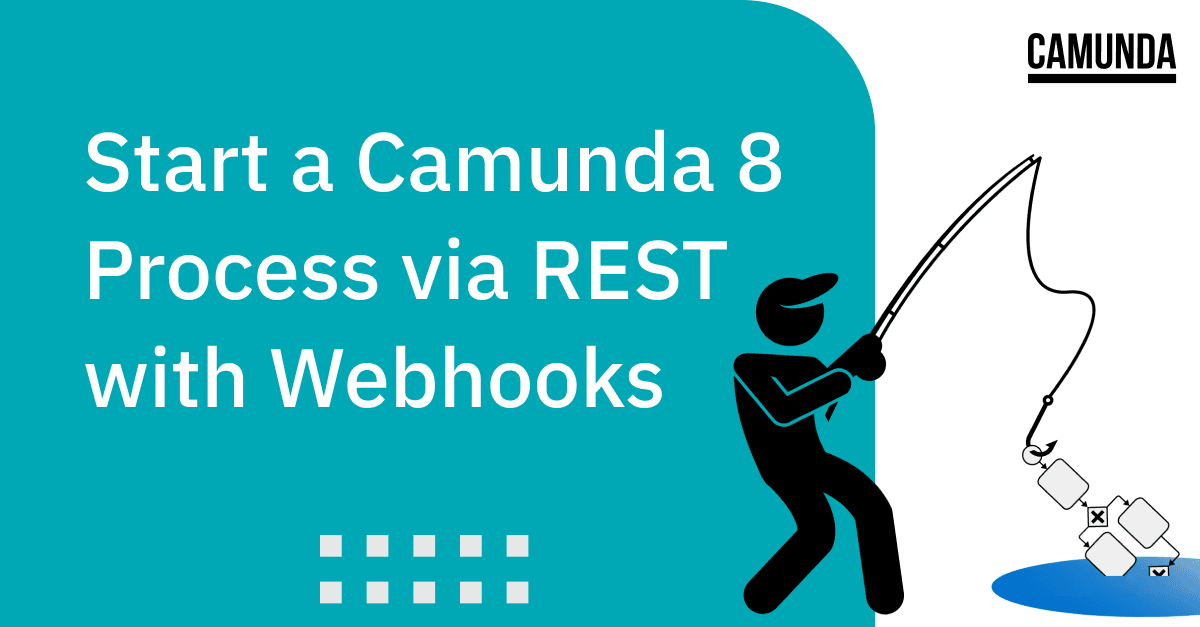
Start a Camunda Platform 8 Process via REST with Webhooks
Learn how you can use the Camunda Platform 8 REST API to start a process using the latest Connectors.
By Niall Deehan
Author
May 8, 2023
Learn how you can use the Camunda Platform 8 REST API to start a process using the latest Connectors.
By Niall Deehan
Sep 30, 2022
What is FEEL As a part of the Decision Model and Notation (DMN) specification, the OMG also defined the Friendly Enough Expression Language (FEEL). Since DMN is intended to be used by designers and business analysts who would like to build decision tables, FEEL needed to be designed as an uncomplicated and human-readable expression language that would help readers understand the logic being described or executed by the DMN table. Expression languages are typically used by developers to evaluate data to produce a result based on query parameters or conditions. This means it’s syntactically closer to code than human-readable sentences. Since one of the goals of FEEL is to be “process analyst friendly,” it prioritizes readability more than other expression…
By Niall Deehan
Apr 20, 2022
The Unconference agenda is now live! Check out the lineup of peer-led sessions we have in store for you on April 27.
By Niall Deehan
Apr 19, 2022
Learn about the fundamental redesigns we’ve made to Camunda Platform 8 to avoid some challenges present in Camunda Platform 7.
By Niall Deehan
Apr 13, 2022
Thank you for your submissions! From now until April 16, cast your vote for the discussion topics you want on the Unconference agenda.
By Niall Deehan
Apr 12, 2022
Camunda Platform 8 is here! Let’s look at what this new product launch means for our large Camunda Platform 7 community.
By Niall Deehan
Feb 11, 2022
Learn more about our search and discovery of a solution to protect the integrity of the web apps for all our users.
By Niall Deehan
Nov 26, 2021
Learn how using Camunda’s process engine in your Java application will make development easier and save you time.
By Niall Deehan
Nov 1, 2021
If you’re going to be communicating with the Camunda engine from any kind of third-party system, you’re going to need to know a little bit about what Camunda’s REST API can do out of the box.
By Niall Deehan