Camunda Blog


Dec 30, 2020
Camunda Community Review 2020
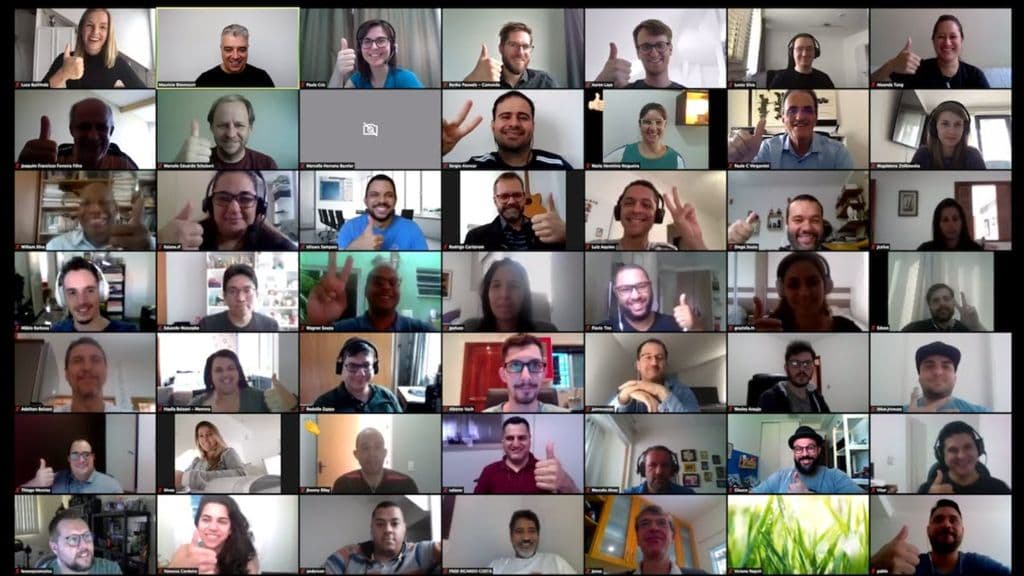
Camunda, both as a company and a platform, is lucky to have strong involvement every step of the way from a thriving community. While a lot has happened this year, I felt it’s good to highlight what the community has achieved in three simple categories. Code, Community and Comrades. Code: lots of people write code that embedded and extended Camunda projects like the Engine and our Modeler. A special group of people then go the extra mile to make it available to the rest of the community and support it as it’s used. Community: There can be an innate feeling of community that can’t exist without individuals working to make an engaging, inclusive environment for its current and future members,…
By Niall Deehan
Dec 29, 2020
Is Automation the Key to Modernization?
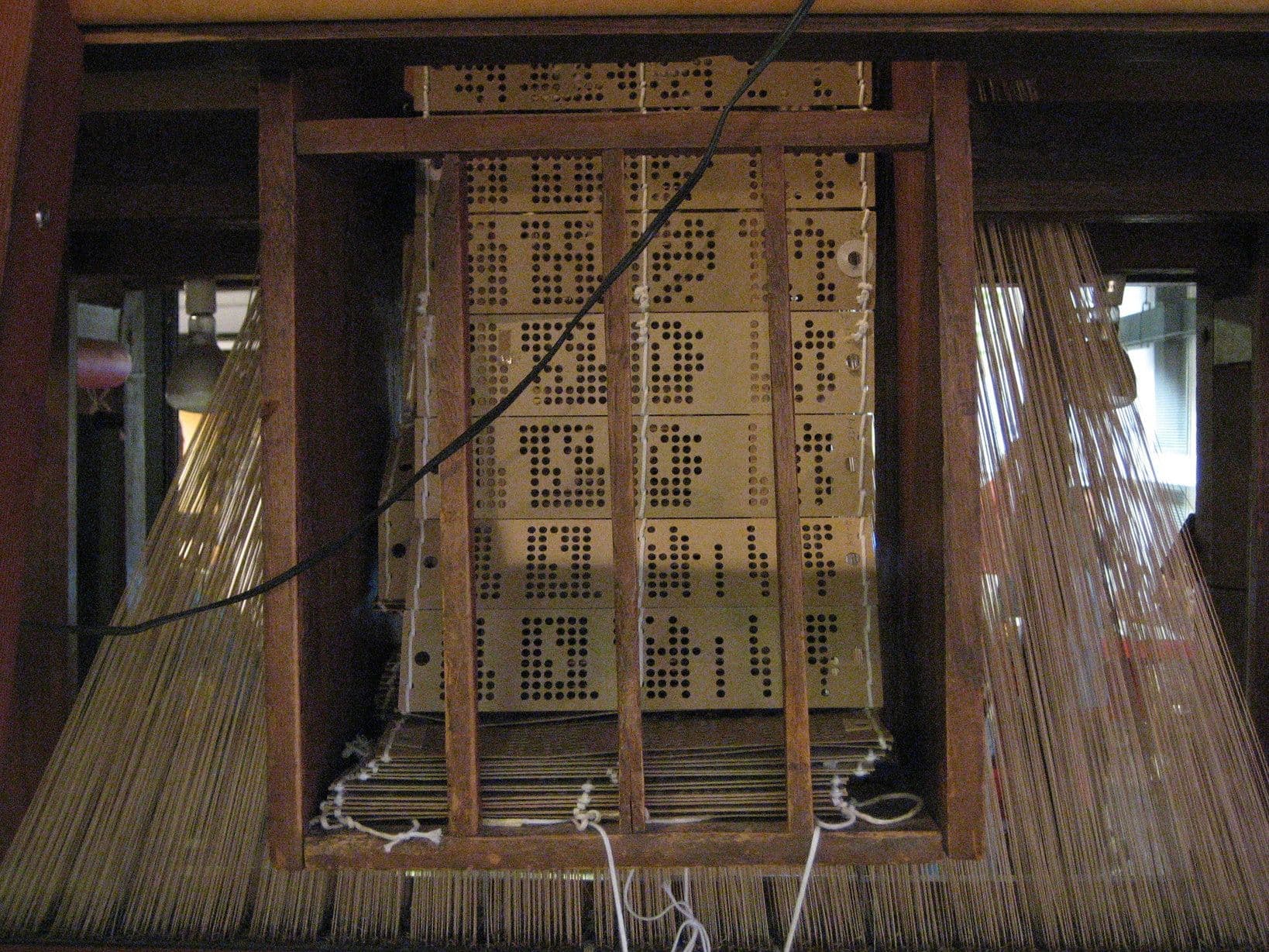
Automation and modernization have been tightly linked for centuries. The Jacquard loom brought automation to weaving in the 18th century, transforming a craft into a modern factory enterprise. Similarly, early digital computers brought automation to banking and other industries, heralding the transformative modernization that characterized the mid-20th century. Today’s automation technologies represent the pinnacle of such technological process. From digital process automation to artificial intelligence, from enterprise content management to robotic process automation, today’s enterprise IT leaders have a plethora of automation technologies to choose from. You would think, then, that leveraging such technologies to modernize the enterprise would be a straightforward affair. Replace the hand weavers with automated looms or replace human ‘computers’ with mechanical ones and you’re done,…

Dec 22, 2020
Measure Your Coverage
Let’s continue with our blog series “Treat your processes like code – test them!” Today we will take a closer look at a frequently discussed topic: Test coverage. But what role does coverage play in testing BPMN models and how can coverage be measured? In this post we will address the following questions: For this purpose, we are going to extend the example from our previous posts. You can find it in our GitHub repository. If you haven’t read them already, check out the other posts in this series: Why is test coverage an important metric for developing automated processes? The short answer is: From a technical perspective, BPMN is a programming language, so it should be treated as one….
By Dominik Horn

Dec 18, 2020
Letters to Santa – Automating Joy to the World, At Scale
It’s that time of year again. The time when the world’s largest order fulfillment operation experiences its heaviest load. No, not Amazon – we’re talking about Santa Claus, Inc. – the largest logistics company in the world, with a 24-hour global delivery window at peak load. This year is different, however. Earlier this year, Saint Nick clicked on an ad on his Facebook feed, one promising a digital nomad lifestyle through automating his business. Sick of the Arctic weather and the stress of traveling, the thought of sitting on a beach in Thailand – while still bringing joy to children around the world – was enticing. Santa paid for the course and applied the principles of process automation, task decomposition…
Dec 17, 2020
Retaining Community Knowledge on the Slack Free Tier with a Slack bot
“There is a lot of valuable information in this Slack, but whenever I come back to find it, it’s gone because of the 10,000 message limit. Can we move this community to Discord, which has persistent message history?” That message, from a community member in the Zeebe Slack, triggered a DevRel project that resulted in the Slack Archivist – a Slack bot that allows valuable conversations to be archived from the community Slack to a dedicated searchable topic in our Discourse-powered Forum. The Problem Slack is ubiquitous. You probably have it open right now, and are in several different Slack teams. We use Slack internally at Camunda, on a paid plan, and when it came time to stand something up…
By Josh Wulf
Dec 15, 2020
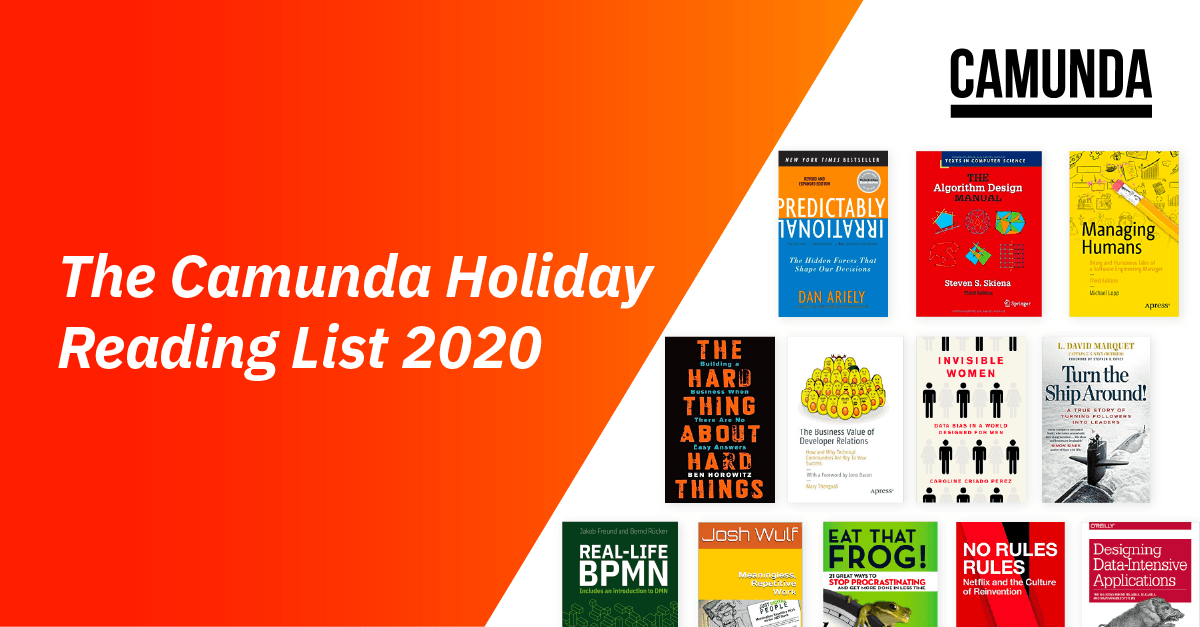
The Camunda Holiday Reading List 2020
Who doesn’t love a good book? The cold, dark and grey weather — at least in the Northern Hemisphere — is the perfect excuse to throw an extra log on the fire and sit down with a good book, and perhaps a glass of Glühwein. With the holidays ahead, we asked our colleagues across Camunda to share their reading recommendations — from books to sharpen your skills, improve your code and inspire your leadership, to reads that will make you stop and think about personal development. We hope you enjoy these books as much as we have: Books to hone your Engineering Knowledge Chris Zell, Software Developer Learning Chaos Engineering: Discovering and Overcoming System Weaknesses through Experimentation Chaos Engineering: System…
By Charley Mann
Dec 14, 2020
Refactoring an Actor Model System from Nact.io to Camunda Cloud
This month marks the 20th anniversary of the Open Source Erlang language and the Erlang virtual machine. Renowned for its reliability, the ability to hot-patch running code, and the Actor model, Erlang has been incredibly influential in software development, particularly in scalable distributed systems. If you look through the Zeebe source code, you’ll see Actor components sprinkled throughout. Zeebe core engineer Deepthi Akkoorath did her PhD thesis in Scalable Consistency in theMulti-core Era and is a huge fan of Erlang. Here is a video of Deepthi describing the architecture of Zeebe, the workflow engine powering Camunda Cloud: https://www.youtube.com/watch?v=JbXKgQQmukE A couple of months ago, I wrote a statistics collector for the Camunda DevRel team. You can see the project in the…
By Josh Wulf

Dec 9, 2020
Camunda’s 2021 Predictions
The past year has been a wild ride. From remote work, homeschooling and pets on Zoom calls, to almost everybody discovering a surprising talent for baking. Banana bread aside, 2020 has been a milestone year for technology. One where the world realized that end-to-end process automation, powered by agile, scalable technologies, and combined with IT and business collaboration, are key ingredients for the new decade. So, what else do we think will be on the cards in 2021? Continuous Delivery, microservices, RPA, new emerging uses for process automation or even more uses for process audit data? Here’s a taste of the trends we believe will emerge in the coming year: An RPA Headache is brewing Companies like Deutsche Telekom have…
By Charley Mann
Dec 8, 2020
Camunda Optimize 3.3.0-alpha2 Released
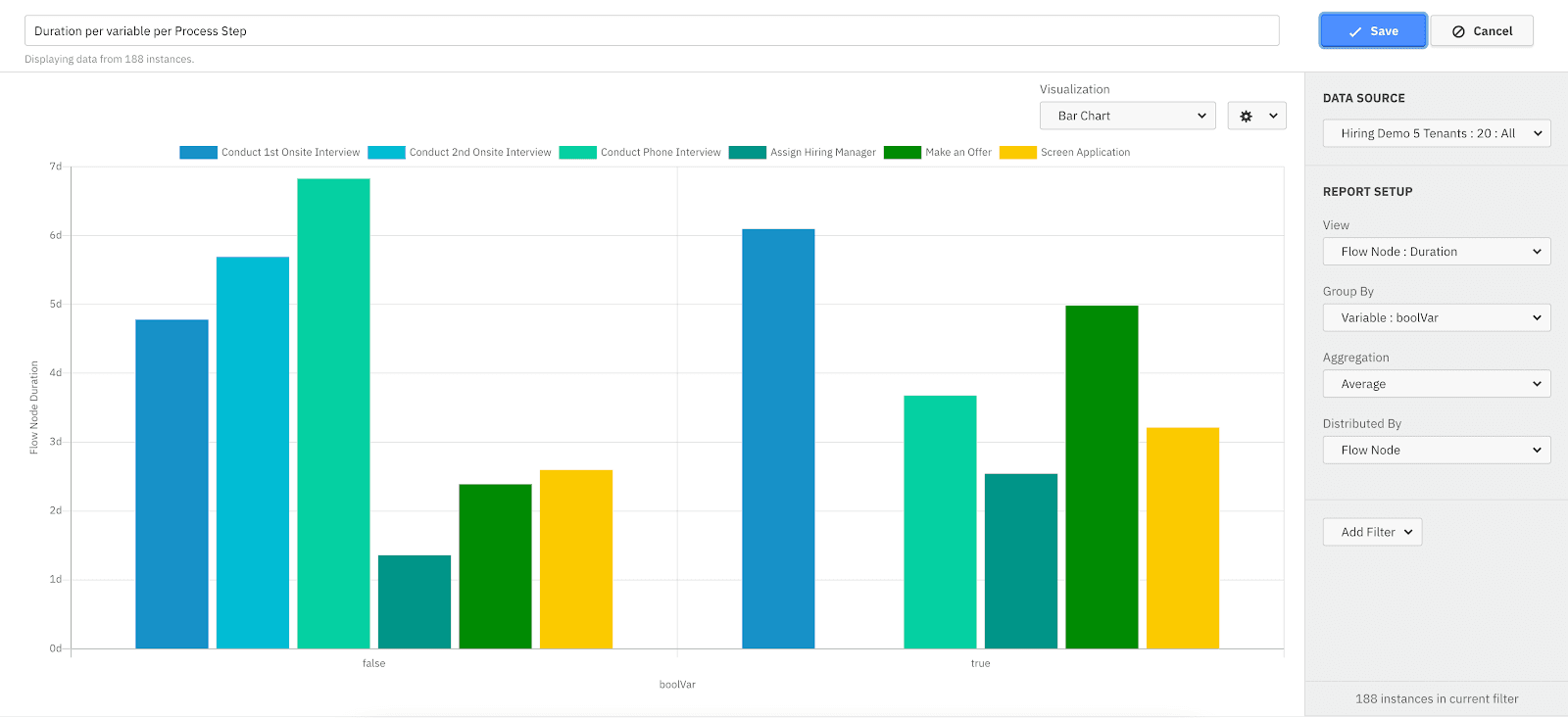
We’re excited to announce the release of Camunda Optimize 3.3.0-alpha2. Refreshed Report Builder and Reporting capabilities Process Analysis and Filtering improvements New Flow Node by Variable Process Reports Custom Values in Variable Filters Moving Process and Decision Reports across environments External Process Events Inspection and Deletion Improved Updates and Maintenance Resumable Updates Updated Support for Elasticsearch What’s next? How to get it? Camunda Optimize provides business activity monitoring for workflows, supporting continuous process improvement by providing transparency into your automated workflows and decisions. Business-friendly reports, dashboards, and alerts make it possible to identify process bottlenecks and improve end-to-end processes. If you’d like to get started with Optimize 3.3.0-alpha2 right away, you can download the release here with your Camunda Enterprise…